Art
Sustainable Art: 10 Eco-Friendly Art Practices Transforming the Industry

by: Podelit
Art has always been a reflection of society, and today, sustainability is one of the most pressing global concerns. As environmental awareness grows, so does the call for eco-friendly practices in creative fields, including art. Traditional art materials and methods often come with a hidden environmental cost—think toxic paints, wasteful processes, and non-recyclable materials.
But there’s good news! Artists worldwide are adopting innovative, sustainable practices to reduce their ecological footprint while creating stunning works of art. Here are 10 eco-friendly art practices transforming the industry and proving that creativity and sustainability can go hand in hand.
Why Sustainability Matters in Art
The environmental impact of art may not be immediately obvious, but it’s significant. Traditional paints can contain harmful chemicals, plastics in materials like acrylics take centuries to decompose, and mass-produced supplies often come with a hefty carbon footprint.
By shifting toward sustainable practices, artists not only help protect the environment but also inspire change. Art has the power to influence perspectives and drive action, making it a perfect medium for advocating eco-conscious values.
10 Eco-Friendly Art Practices Transforming the Industry
1. Upcycling Materials in Art
Why throw away when you can create? Upcycling involves repurposing discarded or unwanted items into new art. Artists have turned old furniture, broken glass, and even electronic waste into stunning sculptures and installations.
For example, South African artist Mbongeni Buthelezi uses discarded plastic to create vibrant, textured paintings. By using what others consider trash, artists like Buthelezi not only reduce waste but also challenge viewers to rethink their relationship with consumption and recycling.
2. Using Non-Toxic, Natural Paints and Dyes
Switching to natural pigments and non-toxic paints is a small change with big benefits. Natural pigments are often made from plants, minerals, or other organic materials, making them safer for both artists and the environment.
You can even create your own natural dyes at home using ingredients like turmeric, beetroot, or tea. This approach not only reduces reliance on chemical-based products but also connects artists with traditional methods of color creation.
3. Digital Art as a Sustainable Medium
Digital art is rapidly gaining popularity—and for good reason. It eliminates the need for physical materials, reducing waste and resource consumption. From digital paintings to 3D modeling, artists can create and share their work without leaving a carbon footprint.
While there are environmental concerns about NFTs, some blockchain platforms are now prioritizing sustainability by adopting energy-efficient systems. Digital art paired with these eco-friendly platforms could be the future of sustainable creativity.
4. Incorporating Found Objects
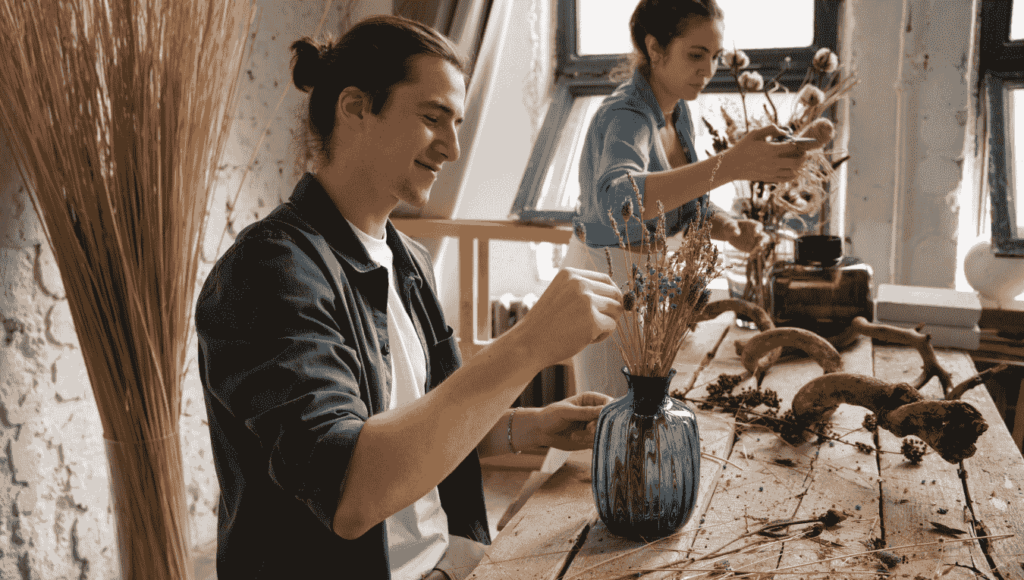
Using found objects from nature or urban environments adds a unique touch to artwork while reducing material waste. Stones, driftwood, metal scraps, and other discarded items can become the foundation of sculptures, installations, or mixed-media pieces.
This practice not only fosters creativity but also encourages viewers to see beauty and potential in items they might have overlooked or discarded.
5. Choosing Sustainable Canvases and Paper
Opting for sustainable surfaces can make a big difference. Look for canvases made from organic or recycled materials and papers produced with environmentally friendly processes.
Brands now offer eco-friendly art supplies like hemp or bamboo paper, which are highly renewable and durable alternatives to traditional materials.
6. Embracing Minimalism and Zero-Waste Approaches
Minimalism isn’t just an aesthetic—it’s a lifestyle. By using fewer materials and focusing on quality over quantity, artists can reduce waste and environmental impact.
Zero-waste approaches include reusing scraps, planning artworks to minimize leftover materials, and repairing tools instead of replacing them. These practices not only save resources but also encourage intentional, thoughtful creativity.
7. Supporting Local, Sustainable Suppliers
Sourcing materials locally reduces transportation emissions and supports small businesses that prioritize sustainability. Look for suppliers that offer eco-friendly, ethically produced materials.
Additionally, buying local often means you can trace where and how materials were made, giving you greater confidence in their environmental impact.
8. Creating Environmental Installations
Many artists are using installations to bring attention to environmental issues. For example, artist Jason deCaires Taylor creates underwater sculptures that double as coral reefs, promoting marine life and raising awareness about ocean conservation.
These works not only captivate audiences but also serve as powerful reminders of the beauty and fragility of our planet.
9. Using Solar-Powered Tools and Studios
Renewable energy is an excellent way to reduce the environmental impact of your art practice. Solar-powered tools like electric kilns and lighting can significantly lower your carbon footprint.
Additionally, artists can explore eco-friendly studio setups with energy-efficient equipment and sustainable building materials.
10. Educating and Inspiring Through Art
Art has always been a medium for communication and change. By creating works that address environmental themes, artists can inspire their audience to think critically about sustainability.
For instance, muralists might paint climate-change-inspired scenes in public spaces, while gallery artists might create works from recycled materials that challenge viewers to reconsider their habits.
The Future of Sustainable Art
The art world is at a turning point. As more artists adopt eco-friendly practices, sustainability is becoming a core part of the industry. Emerging technologies, such as biodegradable 3D printing filaments and carbon-neutral blockchain systems for digital art, are paving the way for greener creativity.
This shift is about more than just reducing harm—it’s about redefining what it means to create. By embracing sustainability, artists are proving that art can be beautiful, meaningful, and kind to the planet.
Sustainable art is not just a trend; it’s a movement. By adopting practices like upcycling, using natural materials, and supporting local suppliers, artists can reduce their environmental impact while continuing to innovate and inspire.
Whether you’re a seasoned artist or a beginner, every small step toward sustainability makes a difference. So why not start today? Experiment with natural pigments, repurpose old materials, or explore the endless possibilities of digital art.
What are your favorite eco-friendly art practices? Share your thoughts in the comments, and let’s keep the conversation—and the creativity—flowing!